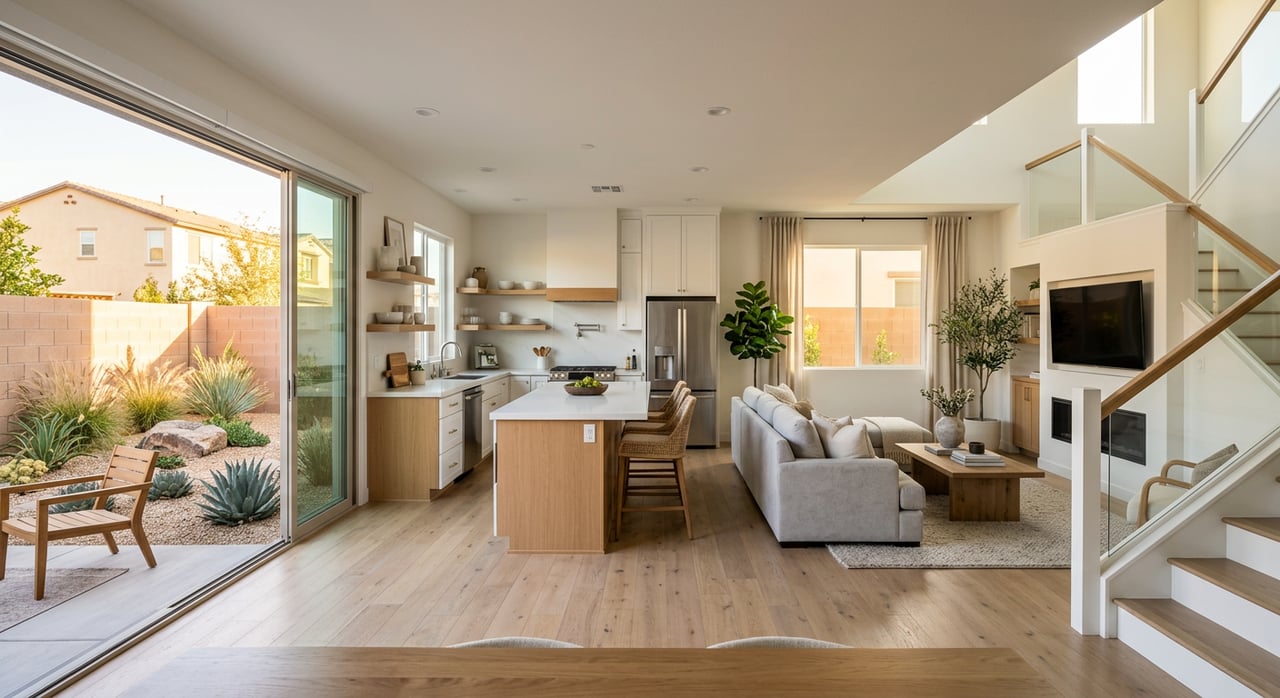
How to Buy a Las Vegas Home: A Step-by-Step Guide
March 5, 2026
March 5, 2026
Buying a home in Las Vegas should feel exciting, not overwhelming. You might be juggling questions about deposits, inspections, HOA rules, and how long closing really takes in Clark County. This step-by-step guide walks you through each stage with clear timelines, local norms, and safety tips so you can move forward with confidence. Let’s dive in.
Getting pre-approved shows sellers you are serious and helps you set a realistic budget. Lenders usually request recent pay stubs, W-2s or tax returns, bank statements, ID, and employment verification; the full mortgage process then continues after you go under contract. For a quick overview of turn times and steps, review this summary of the mortgage process and appraisal timing from a national lender perspective in the mortgage process guide.
Plan for three buckets of cash: earnest money, inspections, and closing costs. In Las Vegas, buyers commonly budget about 2–5% of the purchase price for closing costs; the exact split is negotiable and varies by transaction, but this national explainer is helpful for what to expect on your Loan Estimate and settlement statement (closing costs overview).
Your offer includes price, timing, contingencies, and your earnest money. The earnest deposit is a good-faith amount credited to you at closing. In our market, buyers often use about 1% of the price as a starting point, with $1,000–$5,000 common on entry-level homes and 1–3% in more competitive or higher-end situations. The exact amount is negotiable and should match your comfort and contingency plan.
Once your offer is accepted, escrow is opened with a title or escrow company that manages funds and paperwork until recording. The escrow team orders the preliminary title report, coordinates payoffs and title insurance, and follows written instructions in your contract. For a plain-language overview of what escrow does in our area, review this escrow services explainer.
Most Las Vegas contracts include an inspection contingency window of about 7–10 days, sometimes 10–14 days in less competitive situations. Order the general inspection right away, then schedule any needed specialists. Typical costs: general inspection $300–$600; specialty checks like pool, sewer, roof, HVAC, or termite $100–$400 each. For scope details, use this home inspection checklist.
Tips for this stage:
If the property is in a common-interest community, you will receive an HOA resale package. Nevada law requires the association to provide the packet within 10 calendar days of request and gives you the right to cancel until midnight of the fifth calendar day after you receive it. Review the statute for the exact protections in NRS 116.4109.
Sellers must provide a Seller’s Real Property Disclosure (SRPD) before conveyance as required under Nevada law. Your contract will specify timing and any remedies if significant undisclosed issues appear. Read the SRPD alongside your inspection report and the preliminary title report so you have a full picture before removing contingencies.
If you are financing, your lender orders the appraisal in the first one to two weeks. Appraisal reports often arrive within 7–14 days depending on availability. Underwriting continues while you provide documents and satisfy conditions; most financed purchases close in about 30–45 days in Las Vegas, which aligns with national averages. For a timeline overview, see the mortgage process guide.
Federal rules also protect your review time. Lenders must send a Loan Estimate within 3 business days of application and a Closing Disclosure at least 3 business days before closing. Learn more from the CFPB’s Know Before You Owe.
Your options usually include renegotiating the price, bringing additional cash to bridge the gap, or canceling under the appraisal or financing contingency if your contract allows. Confirm timelines and remedies with your agent and lender before you respond.
Plan for buyer closing costs of roughly 2–5% of the purchase price in Nevada. This range can include lender fees, title and escrow fees, recording fees, prepaid taxes and insurance, and reserves. The exact amount and who pays each line item are negotiable and guided by your contract and local norms. For a line-item overview, see this closing costs explainer.
Your title company issues the title commitment, coordinates any lien payoffs, and prepares the owner’s and lender’s title insurance policies. Local custom on who pays which policy can vary, so confirm in your offer. Recording fees and procedures are handled with the county; for current fee schedules, see the Clark County Recorder. Property taxes are prorated on your settlement statement according to your contract; to understand due dates and billing, visit the Clark County Treasurer’s real property tax information.
Your title or escrow officer will confirm how to deliver final funds and where to sign. Plan to have:
For a quick reference, review this practical open-to-close checklist.
Buying in Las Vegas can move fast, but with the right plan you stay in control. If you want a local strategy for earnest money, inspection timing, and HOA review, I am here to guide you step by step and communicate clearly at every stage. Let’s connect and tailor this process to your goals.
Ready to get started? Schedule a free consultation with Lilia Kazakevitch.
Stay up to date on the latest real estate trends.


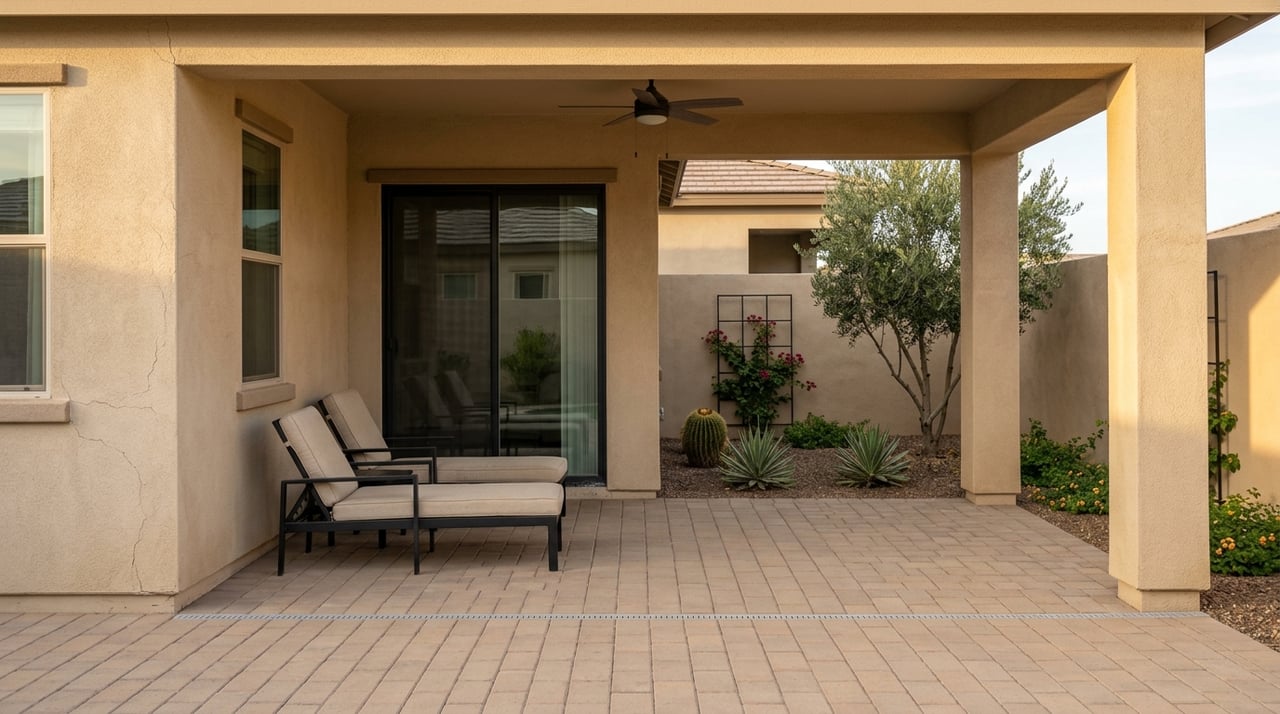
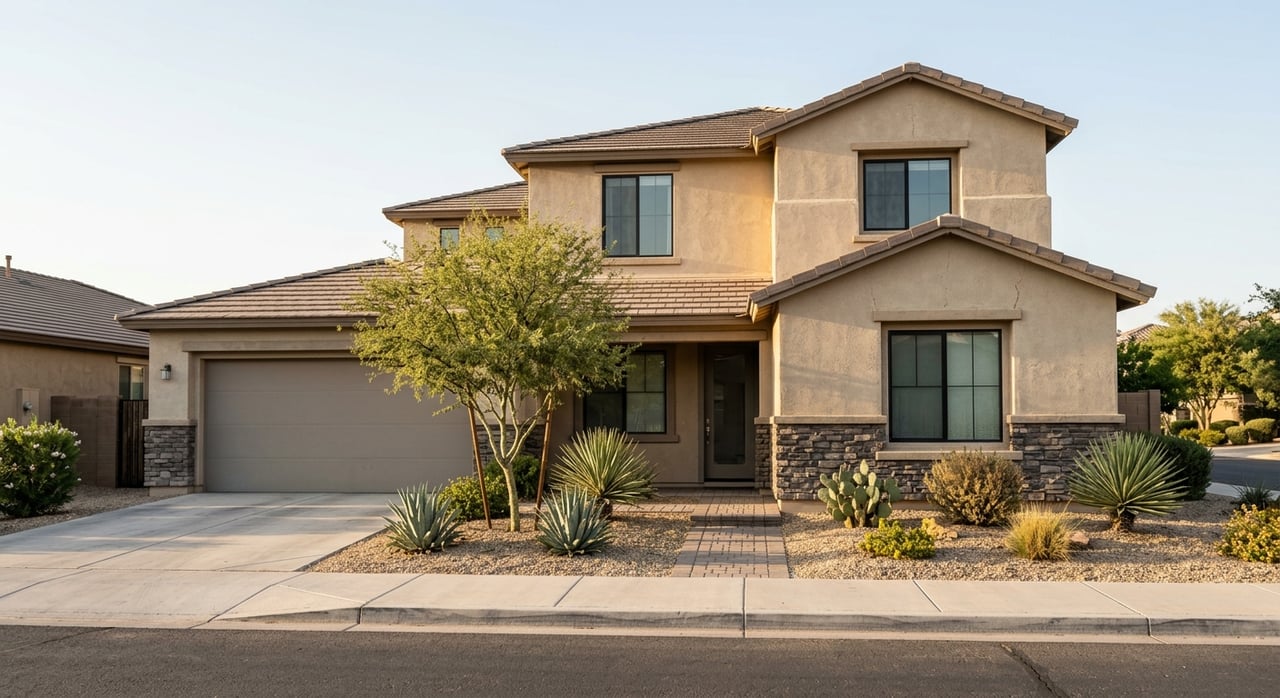
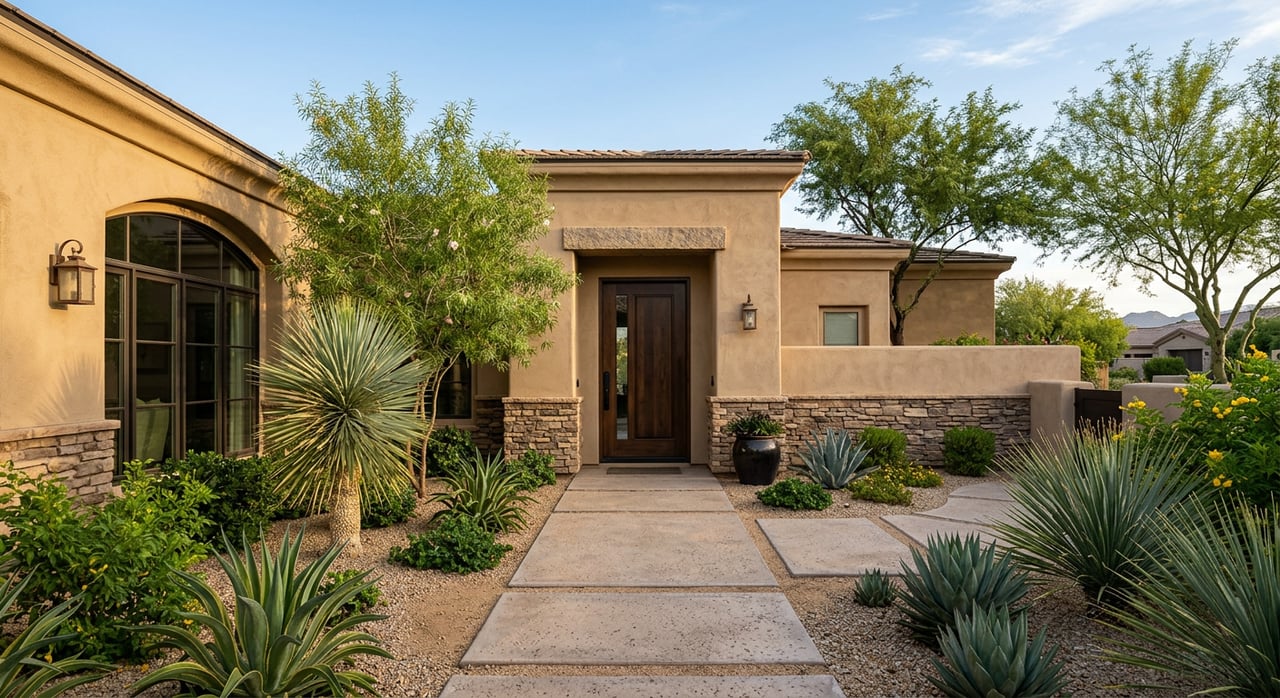
Get assistance in determining current property value, crafting a competitive offer, writing and negotiating a contract, and much more. Contact me today to find out how I can be of assistance to you!