North Las Vegas Rental Investing: Data-Driven Guide
April 23, 2026
April 23, 2026
If you are considering rental investments in North Las Vegas, you are probably asking a simple question: does the math still work here? The short answer is that North Las Vegas can offer a compelling mix of population growth, attainable entry points, and steady rental demand, but only if you underwrite carefully. This guide will help you look at the market with clear eyes so you can spot opportunity, avoid common mistakes, and make a more confident investment decision. Let’s dive in.
North Las Vegas has been growing quickly. According to the U.S. Census QuickFacts for North Las Vegas, the city reached 294,034 residents in July 2024, which is 13.3% higher than in April 2020. For investors, that kind of growth matters because more residents can support long-term housing demand.
The city also stands out as a workforce-oriented market within the Las Vegas Valley. Census data shows a median household income of $79,542, a median gross rent of $1,705, and an owner-occupied housing rate of 63.6%. Compared with nearby submarkets, North Las Vegas may offer a more approachable entry point while still maintaining meaningful rent levels.
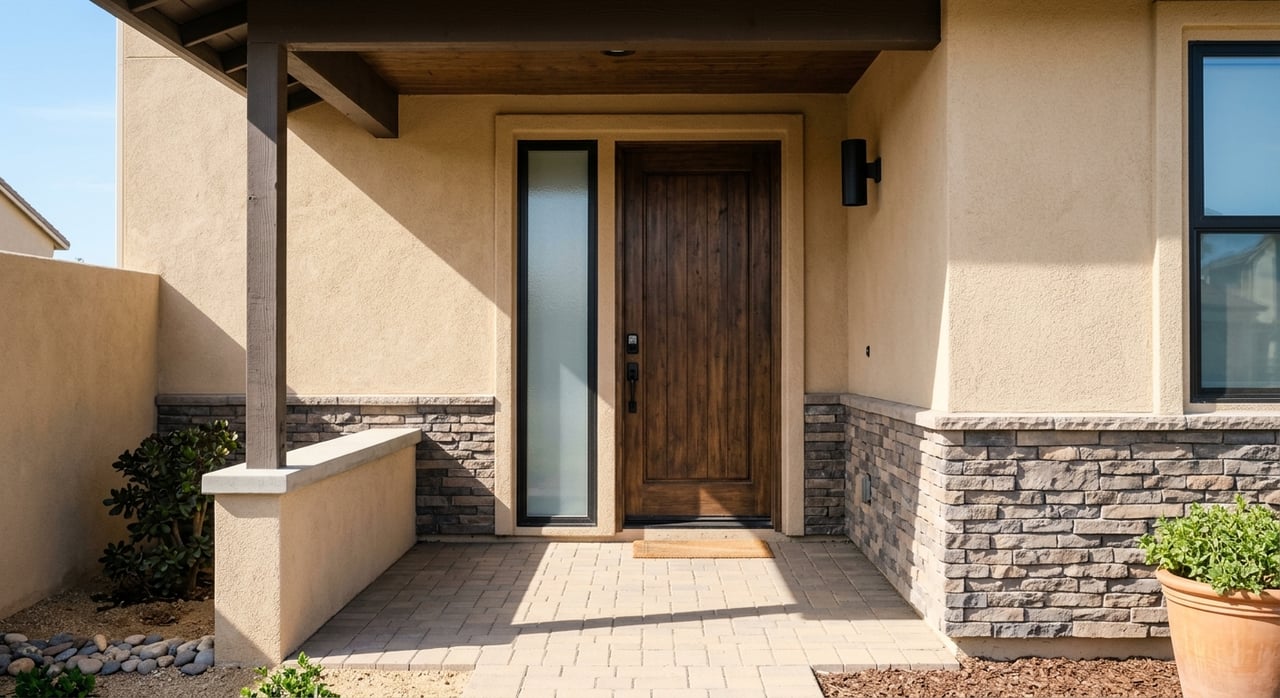
A useful starting point is understanding what kinds of homes make up the market. The Clark County Assessor annual housing report shows that North Las Vegas has 73,474 detached units, 23,320 attached units, and 1,451 manufactured units out of 98,245 total housing units. In practical terms, that means many investors will be evaluating single-family homes, townhomes, and condos rather than relying only on large apartment-style opportunities.
That housing mix can shape your strategy. If you want a property type that often matches local inventory, detached homes and attached homes make up the bulk of the options. It also means your maintenance, insurance, and turnover planning may look different from what you would expect in a dense urban multifamily market.
North Las Vegas households tend to be larger than in many surrounding areas. Census data shows 3.12 persons per household, with 25.5% of residents under 18. For rental investors, that can translate into stronger demand for homes with three or more bedrooms.
The same Census source reports that 37.9% of households speak a language other than English at home. That does not change the fundamentals of investing, but it does highlight the value of clear, easy-to-understand lease communication. If you are an investor who values smooth communication, working with a local professional who can help bridge language and process questions can be a real advantage.
One reason North Las Vegas continues to attract investor interest is that its demand is tied to more than tourism. The Las Vegas Global Economic Alliance notes that Apex Industrial Park spans 18,000 acres, with about 7,000 acres still available and six large projects underway. The City of North Las Vegas has also stated that nearly 30 million square feet of industrial space is planned, under construction, or recently completed in Apex.
That larger development story matters because jobs and housing often move together. The same source says the broader Apex plan is projected to deliver 32,000 homes, 100,000 residents, and more than 73,000 jobs over time. On top of that, metro employment in Las Vegas-Henderson-Paradise rose 3.4% from June 2023 to June 2024, supporting the case for ongoing housing demand across the region.
Growth alone does not tell the whole story. The North Las Vegas AB 213 housing report projects that between 2025 and 2030, the city will need 4,467 additional dwelling units, including 1,668 for-rent units. That suggests rental demand may remain meaningful in the years ahead.
At the same time, the report also estimates a shortage of 8,055 renter-occupied affordable units for households earning below $34,999 annually. For you as an investor, that is an important reminder that demand can be strong while affordability pressure remains high. Renters may need housing, but many are also sensitive to rent increases and monthly utility costs.
North Las Vegas median rent is not wildly out of line with local incomes on paper. Based on Census figures, a household paying the city’s median gross rent would spend about 25.7% of median monthly income on housing. That is below the traditional 30% benchmark, but the broader picture is more strained.
The city’s housing data shows 57.1% of renters are cost-burdened and 46.96% are excessively cost-burdened. That means a large share of renters may already be stretched. For investors, this is a cue to focus on realistic pricing, stable property condition, and lease terms that support retention rather than assuming aggressive rent growth will solve the numbers.
Public data can help you build a first-pass model before you dive into neighborhood-level rent comps. HUD FY2026 Fair Market Rent data for the Las Vegas-Henderson-North Las Vegas MSA lists the following monthly figures:
These numbers are not a guaranteed market rent for every home, but they give you a conservative benchmark. A practical screening method is to compare your expected rent against these figures and use the lower number in your early underwriting until property-specific comps support a stronger case.
North Las Vegas can look attractive when you compare rent to values at a high level. Using Census medians, $1,705 median gross rent against $404,400 median owner-occupied value suggests about a 5.1% gross rent-to-value ratio. By comparison, the same quick-screen method comes out around 4.5% in Henderson and 4.4% in Las Vegas.
This is not the same as a cap rate, and it should not replace full underwriting. Still, it can be a helpful early filter if you are deciding where to focus your search in the valley. If price discipline matters to your strategy, North Las Vegas may deserve a closer look.
No rental market performs at perfect occupancy all the time. The city’s AB 213 report lists a renter vacancy rate of 5.4%, which is a useful baseline for your model. If your spreadsheet assumes zero vacancy, it is probably too optimistic.
Turnover planning matters here too. Census data shows 85.3% of residents lived in the same house one year earlier, which means a meaningful share still moved during that period. Even in a relatively stable market, you should reserve for make-ready costs, leasing downtime, and the normal friction that comes with tenant transitions.
North Las Vegas investing is not only about purchase price and rent. Climate can have a direct effect on repairs and reserves. The National Weather Service climate overview for Las Vegas describes the area as a broad desert valley, and its climate data shows just 4.18 inches of annual precipitation and 137.1 days per year with highs of 90°F or higher.
That kind of heat can put stress on HVAC systems, roofs, sealants, irrigation, and landscaping. If you are evaluating a property, it is smart to budget more carefully for these line items than you might in a milder climate. A property that looks fine on paper can feel very different once deferred maintenance meets a hot summer.
Holding costs in North Las Vegas can also be shaped by local property condition standards. The City of North Las Vegas code enforcement page notes enforcement around issues such as vacant structures, junk, litter, weeds, illegal signs, obstructive items, and damaged fences or block walls. For landlords, that means curb appeal is not just cosmetic.
Regular exterior checks can help you prevent small issues from becoming expensive ones. This is especially important if you live out of state or plan to hold a property with minimal day-to-day oversight. A disciplined maintenance plan can protect both tenant experience and your long-term asset value.
If you want a practical way to evaluate a potential rental in North Las Vegas, start with a conservative framework:
This approach may feel cautious, but it can save you from chasing a property that only works under ideal conditions. In a market with affordability pressure, stable performance often comes from disciplined buying rather than optimistic projections.
North Las Vegas may be a strong fit if you are looking for a Las Vegas Valley rental market with population growth, a large base of detached homes, and potentially better rent-to-price balance than some nearby areas. It may be especially worth considering if you prefer single-family or attached residential rentals and want to focus on long-term wealth building instead of speculation.
The key is to stay grounded. This is a market with real demand drivers, but also real tenant budget sensitivity and real operating costs. If you buy with a clear plan, conservative assumptions, and local guidance, North Las Vegas can be a smart place to explore rental opportunities.
If you want help evaluating rental property opportunities in North Las Vegas or anywhere in the Las Vegas Valley, Lilia Kazakevitch can help you review the numbers, compare submarkets, and move forward with a strategy that fits your goals.
Stay up to date on the latest real estate trends.



Get assistance in determining current property value, crafting a competitive offer, writing and negotiating a contract, and much more. Contact me today to find out how I can be of assistance to you!